
K-Classic News 김은정 국장 |
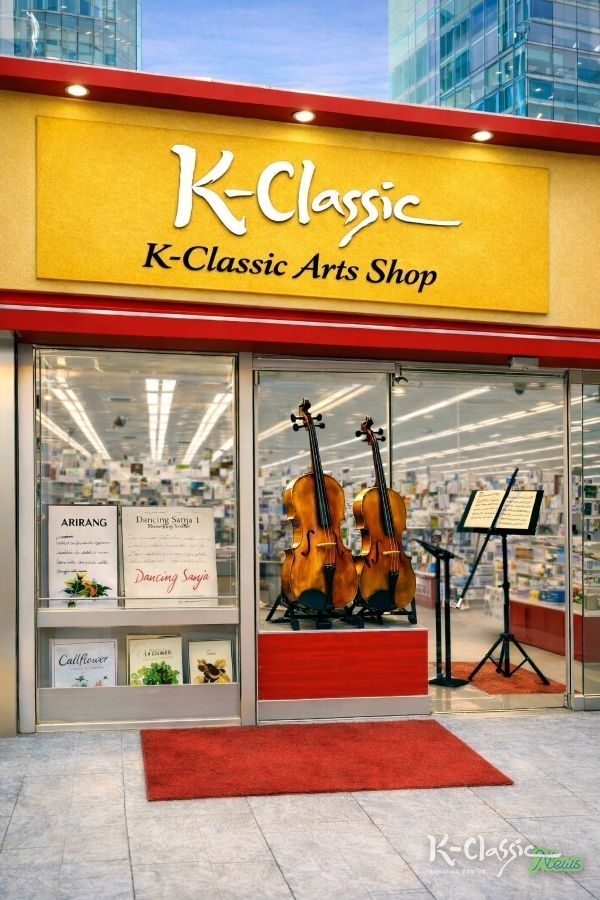
지금 세계 음악 문화는 새로운 전환점에 서 있다. 유럽 중심의 전통 위에 다양한 지역의 문화와 기술이 더해지면서 클래식 음악은 새로운 시대를 맞이하고 있다.
이 변화 속에서 우리는 한 가지 질문을 던진다. 한국의 악기는 세계 음악 문화 속에서 어떤 역할을 할 것인가.
한국은 오랜 세월 장인의 손기술과 섬세한 미적 감각을 바탕으로 독특한 악기 문화를 발전시켜 왔다. 가야금, 거문고, 해금과 같은 전통 악기뿐 아니라 현대 음악 환경 속에서도 다양한 제작 기술과 음향 실험이 이루어지고 있다. 그러나 지금까지 한국의 악기는 세계 음악 시장 속에서 충분히 조명받지 못했다. 이제 우리는 단순한 전통 보존의 단계를 넘어 새로운 음악 문화의 가능성으로서 K-악기를 이야기하고자 한다.
K-악기 선언은 다음과 같은 원칙을 바탕으로 한다
첫째, 악기는 장인과 연주자의 협업 속에서 발전한다.
제작 기술과 연주 경험이 만나야 새로운 음향과 음악이 탄생한다.
둘째, 악기는 교육과 공연 네트워크 속에서 성장한다.
음악 대학, 연주가, 작곡가, 제작자가 함께 참여하는 생태계가 필요하다.
셋째, 악기는 문화 교류의 매개가 된다.
한국의 악기와 아시아, 그리고 세계의 음악가들이 만나 새로운 음악 언어를 만들어 갈 수 있다.
넷째, K-악기는 경쟁이 아니라 공존의 문화다.
세계의 다양한 악기 전통과 협력하며 음악의 다양성을 확장하는 것이 목표다. K-Classic이 제기하는 K-악기 담론은 단순한 산업 전략이 아니다. 그것은 장인, 연주자, 작곡가, 교육자, 그리고 세계 음악가들이 함께 만드는 새로운 문화 운동이다.
우리는 믿는다. 악기는 단순한 물건이 아니라 문화와 정신을 담는 그릇이라는 것을. K-악기 선언은 이제 그 가능성을 향해 첫걸음을 내딛는다.
K-Instrument Manifesto
Today the global music culture stands at a new turning point. While European traditions still form the foundation of classical music, new regions and cultures are expanding its boundaries. In this moment of change, we ask a simple question:
What role can Korean instruments play in the global music culture? Korea possesses a long tradition of craftsmanship and refined musical aesthetics. Instruments such as the gayageum, geomungo, and haegeum represent unique musical voices developed through centuries of cultural experience.
Yet Korean instruments have not fully entered the global musical conversation.
The time has come to move beyond preservation and to explore K-instruments as a new cultural possibility. The K-Instrument Manifesto is based on four principles.
First, instruments evolve through collaboration between makers and performers.
Craftsmanship and musical practice must meet to create new sound.
Second, instruments grow through education and performance networks.
Universities, musicians, composers, and instrument makers must work together.
Third, instruments serve as bridges for cultural exchange.
Korean instruments can connect musicians across Asia and the world.
Fourth, K-instruments are not about competition but coexistence.
They aim to expand the diversity of global musical culture. The K-instrument discourse proposed by K-Classic is not merely an industry strategy.
It is a cultural movement connecting makers, performers, composers, educators, and global musicians.
An instrument is not simply an object. It is a vessel of culture and spirit. The K-Instrument Manifesto marks the beginning of this journey.
K-乐器宣言
当今世界音乐文化正站在新的转折点。 在欧洲传统的基础上,新的地区与文化正在不断加入,使古典音乐进入新的时代。
在这样的变化中,我们提出一个问题: 韩国乐器在世界音乐文化中将扮演怎样的角色?
韩国拥有悠久的工艺传统和独特的音乐美学。伽倻琴、玄琴、奚琴等乐器体现了韩国文化长期积累的音乐智慧。
然而,韩国乐器在世界音乐舞台上的存在仍然有限。
现在,我们需要超越单纯的传统保护,将K-乐器视为一种新的文化可能。
K-乐器宣言建立在四个原则之上:
第一,乐器的发展来自工匠与演奏家的合作。
技术与演奏实践的结合才能创造新的声音。
第二,乐器需要教育与演出网络。
音乐学院、演奏家、作曲家与制作师需要共同参与。
第三,乐器是文化交流的桥梁。
韩国乐器可以连接亚洲与世界的音乐家。
第四,K-乐器强调共存而非竞争。
其目标是丰富世界音乐文化的多样性。 K-Classic提出的K-乐器理念不仅是一种产业策略,
更是一场连接工匠、演奏家、作曲家、教育者与世界音乐家的文化运动。
乐器不仅是一件物品,它承载着文化与精神。K-乐器宣言正是这一旅程的开始。